
Why Certified Cosmetic Tattooing Training Courses Are Essential for a Successful PMU Career
The permanent makeup industry is growing rapidly. More people are choosing long-lasting beauty solutions like brows, lip blush, and eyeliner enhancement. If you want to build a successful career in this field, one decision will shape your future: where you train.
Choosing certified Cosmetic Tattooing Training Courses is not just about learning techniques. It is about protecting your career, your clients, and your professional reputation. A recognized PMU certification separates trained professionals from unqualified artists who struggle to gain trust or face legal issues.
Whether you are starting your journey or upgrading your skills, proper certification is the foundation of long-term success.
Safety and Legal Protection Come First
When performing cosmetic tattoo procedures, you work with needles and pigments on sensitive facial areas. Safety is non-negotiable.
Certified Cosmetic Tattooing Training Courses teach:
- Proper hygiene and sterilization procedures
- Bloodborne pathogen prevention
- Skin preparation and aftercare protocols
- Safe pigment handling
Without proper training, you risk infections, allergic reactions, pigment complications, and legal problems.
In many states and countries, licensing boards require documented training hours from approved schools before issuing permits. Without certification, you may not be legally allowed to practice.
Additionally, insurance providers require proof of professional training. Without it, one complaint or complication could lead to serious financial loss.
Professional education protects both your clients and your business.
Technical Skills That Deliver Real Results
The difference between flawless brows and corrective work comes down to technique.
High-quality Cosmetic Tattooing Training Courses go beyond basic pigment application. They teach:
- Skin anatomy and healing behavior
- Color theory and pigment selection
- Machine and manual techniques
- Proper depth control
- Client consultation skills
You learn how different skin types react and how to prevent issues like pigment migration, uneven fading, or color shifting.
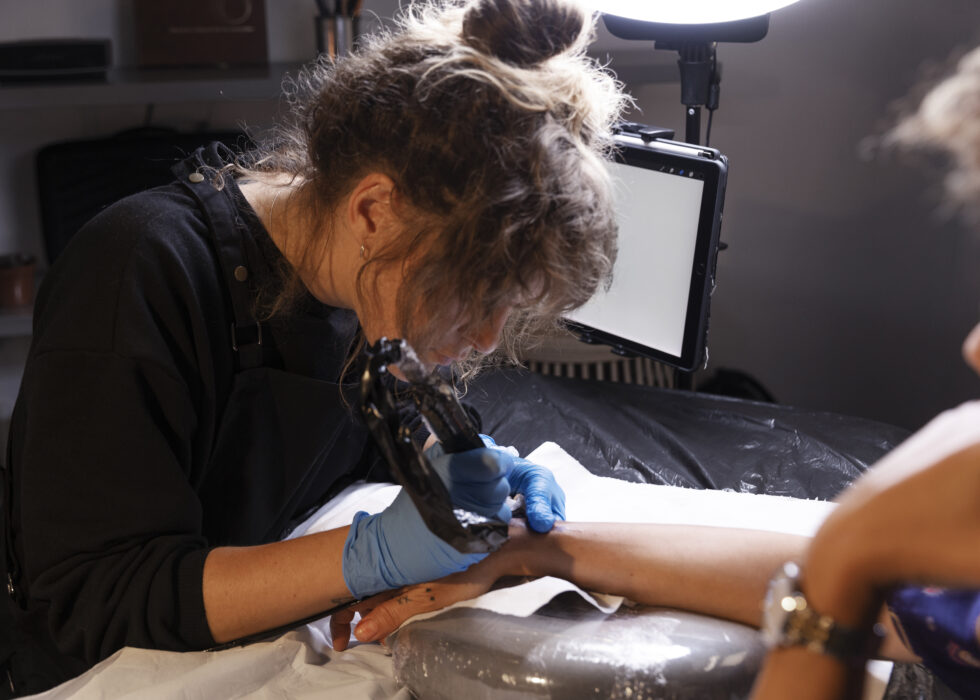
Certified programs also provide hands-on practice with live models under expert supervision. This practical experience builds confidence and creates a professional portfolio with real before-and-after results.
Skill-based education ensures you deliver results clients love.
Certification Builds Trust and Credibility
Clients today research before booking. They want qualified, certified artists.
Completing recognized Cosmetic Tattooing Training Courses gives you:
- Professional credibility
- Higher earning potential
- Opportunities to work in salons and medical spas
- Client trust and referrals
Your certification becomes part of your brand identity. It signals professionalism, safety, and expertise.
Artists with formal training can confidently charge premium pricing because clients are willing to invest in certified professionals.
Business Knowledge for Long-Term Success
A strong PMU program also teaches business fundamentals, including:
- Client consent and documentation
- Pricing strategies
- Marketing basics
- Building a portfolio
- Managing appointments
Successful artists combine technical skill with business knowledge. Certification prepares you for both.
What to Look for in Cosmetic Tattooing Training Courses
Not all programs are equal. When selecting a training course, look for:
- Experienced instructors with active industry practice
- Hands-on training with live models
- Comprehensive curriculum covering safety and business
- Recognized certification
- Ongoing mentorship or support
Avoid quick, unregulated programs that promise instant success. Quality training is an investment in your future.
Start Your PMU Career the Right Way
Your education determines your confidence, reputation, and income potential.
Choosing certified Cosmetic Tattooing Training Courses gives you the legal protection, technical skills, and professional credibility needed to thrive in the beauty industry.
If you are ready to build a strong foundation for your PMU career, invest in proper training today. Your future clients deserve a certified professional, and you deserve a career built on skill and trust.
Frequently Asked Questions
How long do Cosmetic Tattooing Training Courses take?
Most certified programs require 60–100 training hours. Depending on the schedule, completion may take several weeks to a few months.
Can I practice cosmetic tattooing without certification?
In most regions, certification is required to obtain licensing. Insurance providers also require proof of training.
What is included in certified training?
Certified courses cover safety standards, hands-on practice with live models, skin anatomy, color theory, and business fundamentals.
Why is certification important?
Certification protects your career, builds credibility, ensures legal compliance, and increases earning potential.